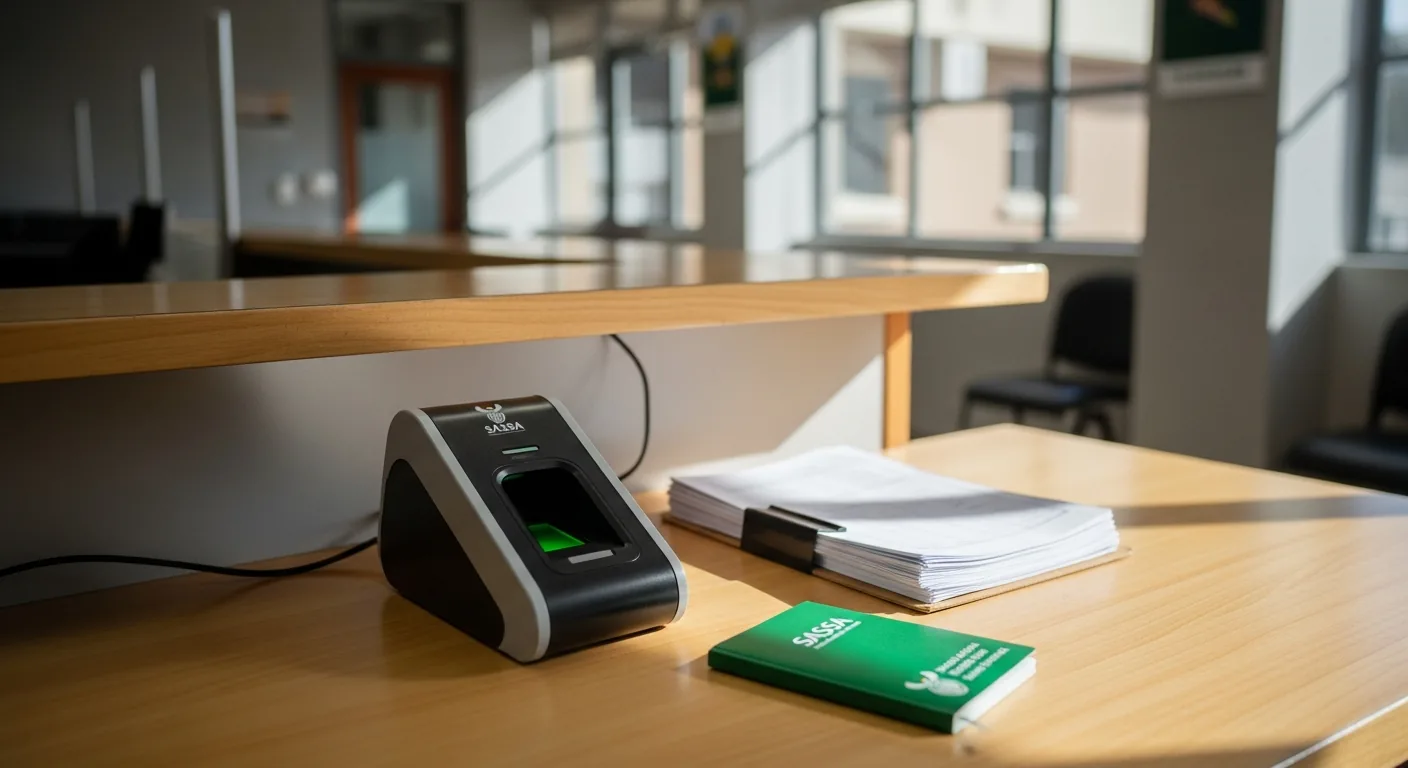
If you have ever wondered why SASSA occasionally calls permanent grant beneficiaries in for a "life certificate," this is what they mean: e-Life Certification. It is the annual check that confirms a grant recipient is still alive, still in South Africa, and still entitled to receive a monthly payment. The check exists because grant fraud at scale historically depended on payments continuing after a beneficiary had passed away, and the biometric verification is the cheapest way to close that loophole.
For most beneficiaries the certification is routine and takes under ten minutes. But the consequences of skipping it are quietly severe: SASSA suspends your payments until you certify, which can mean a month or more with no income while you scramble to restore the file. This guide covers who needs to certify in 2026, how to do it, and how to fix things if your grant has already been suspended.
What e-Life Certification Actually Is
e-Life Certification replaces the older paper-based "proof of life" document that beneficiaries used to sign in front of a Commissioner of Oaths each year. The new process uses a biometric fingerprint or facial scan captured at a SASSA office, a Postbank branch, or through the SASSA mobile app. The scan is matched against the biometric on file from your original application or your most recent re-enrolment.
Each successful certification gives your grant another twelve months of validity. If you certify on 1 July 2026, your next certification deadline is 30 June 2027. The system tracks the rolling anniversary on a per-beneficiary basis, so there is no single national "deadline day" that applies to everyone. Your deadline is your own anniversary month.
Who Needs to Certify in 2026
Certification applies to every permanent grant type. The grants below all require an annual e-Life check.
| Grant | Certification Required? |
|---|---|
| Older Persons | Yes |
| Disability | Yes |
| War Veterans | Yes |
| Care Dependency | Yes |
| Grant-in-Aid | Yes |
| Foster Care | Yes (every 2 years aligned to court order) |
| Child Support | Not via e-Life (annual school enrolment check instead) |
| SRD R370 | No (monthly means test replaces certification) |
If you are receiving multiple grants, you only certify once per anniversary cycle. The single biometric scan validates every grant linked to your ID number.
Where and How to Certify
You have three channels, each with different trade-offs.
1. Visit any SASSA office. This is the most reliable channel. Bring your green ID book or smart ID card. The whole visit usually takes under twenty minutes outside of peak weeks. SASSA offices are busiest in the first week of each month and in the days immediately before public holidays. Tuesday to Thursday mornings are typically the calmest.
2. Selected Postbank branches. A subset of Postbank branches now offer the biometric scan as part of their SASSA-channel services. This is convenient if you collect your grant at Postbank already, but coverage is uneven by province. Phone ahead before you make the trip.
3. SASSA mobile app (biometric face scan). The official SASSA app supports facial recognition certification from a smartphone with a working selfie camera. This is the only channel that works from home. The app currently supports Older Persons and Disability certifications. War Veterans and Care Dependency still require an in-person visit because of additional verification steps.
The App Is The Easiest Channel If You Have a Smartphone
If you have a smartphone with a functioning front camera and a stable data connection, the SASSA app certification takes about three minutes. You log in with your ID number, hold the phone at arm's length, and follow the on-screen prompts. The app records the scan, matches it against the biometric on file, and returns a confirmation within seconds.
What Happens If You Skip It
If your certification anniversary passes without a successful scan, SASSA suspends your monthly payment from the next cycle. Note the wording: suspended, not cancelled. Your grant record remains active in the SOCPEN system, your eligibility is not reassessed, and your monthly amount does not change. The payment is simply held until you complete the certification.
In practice the suspension is invisible until your normal payment date arrives and the money is not there. For most beneficiaries this is the first they hear of the missed deadline. The SASSA SMS notifications about the certification window are sent throughout the year, but a missed message or an old cellphone number can mean a beneficiary walks into the suspension blind.
Suspension Is Reversible, But Not Automatically Backdated
If you certify in the month after a suspension, the grant restarts from that month. SASSA does not automatically pay you the missed month. You can request a backpay review at your SASSA office, but the outcome is discretionary and depends on the reason for the missed certification.
How to Restore a Suspended Grant
If your payment did not arrive this month and you suspect a missed certification is the cause, the fastest path is a single SASSA office visit.
Step 1: Confirm the cause. Phone the SASSA toll-free line (0800 60 10 11) with your ID number ready and ask whether your file is flagged as "lapsed certification." If it is, proceed to Step 2. If it is not, the cause of the missed payment is something else (a banking issue, a fraud flag, or a system delay) and you should follow the late-payment escalation path instead.
Step 2: Visit any SASSA office with your ID. Bring your original green ID book or smart ID card. Tell the front desk you are there for a "lapsed life certification restoration." The staff will book you for the biometric scan, capture it, and submit a restoration request the same day. There is no fee.
Step 3: Confirm the next payment date. Once the restoration is logged, ask for the expected next payment date in writing or via SMS confirmation. For most grants the next payment cycle picks up the restored beneficiary within 5 to 10 business days. If you certify in the first half of a month, you usually still receive that month's payment. If you certify late in the month, the next payment may shift to the following cycle.
Backpay Request
If you missed certification because of a hospital stay, illness, or a verifiable event beyond your control, you can request backpay for the missed month at the same SASSA visit. Bring any supporting documents (hospital letter, doctor's note). The decision is discretionary but is usually granted for documented medical reasons.
Practical Tips From Beneficiaries
Three habits help permanent grant beneficiaries avoid the certification suspension entirely.
Certify the same month every year. Pick a month that is easy to remember (for example, your birth month) and certify in that month each year. The early visit always validates for another twelve months, which means your "deadline" effectively moves with your visit. Beneficiaries who certify on their birthday month rarely run into suspensions.
Keep your cellphone number current with SASSA. All certification reminders go via SMS to the cellphone on file. If you change your number, update SASSA at your earliest grant collection. An outdated number is the single most common reason beneficiaries report being "ambushed" by a suspension.
Use the SASSA app if you can. Even if you prefer to visit an office to collect your monthly payment, the app is the easiest way to handle the once-a-year biometric. Three minutes at home beats a queue at the SASSA office, especially in winter or during a flu season.
Check Your June Status
If you are unsure whether your June payment is being held by a certification flag or a different issue, our free Status Check tool can confirm the current status of your SRD application. For permanent grants, phone 0800 60 10 11 with your ID ready.