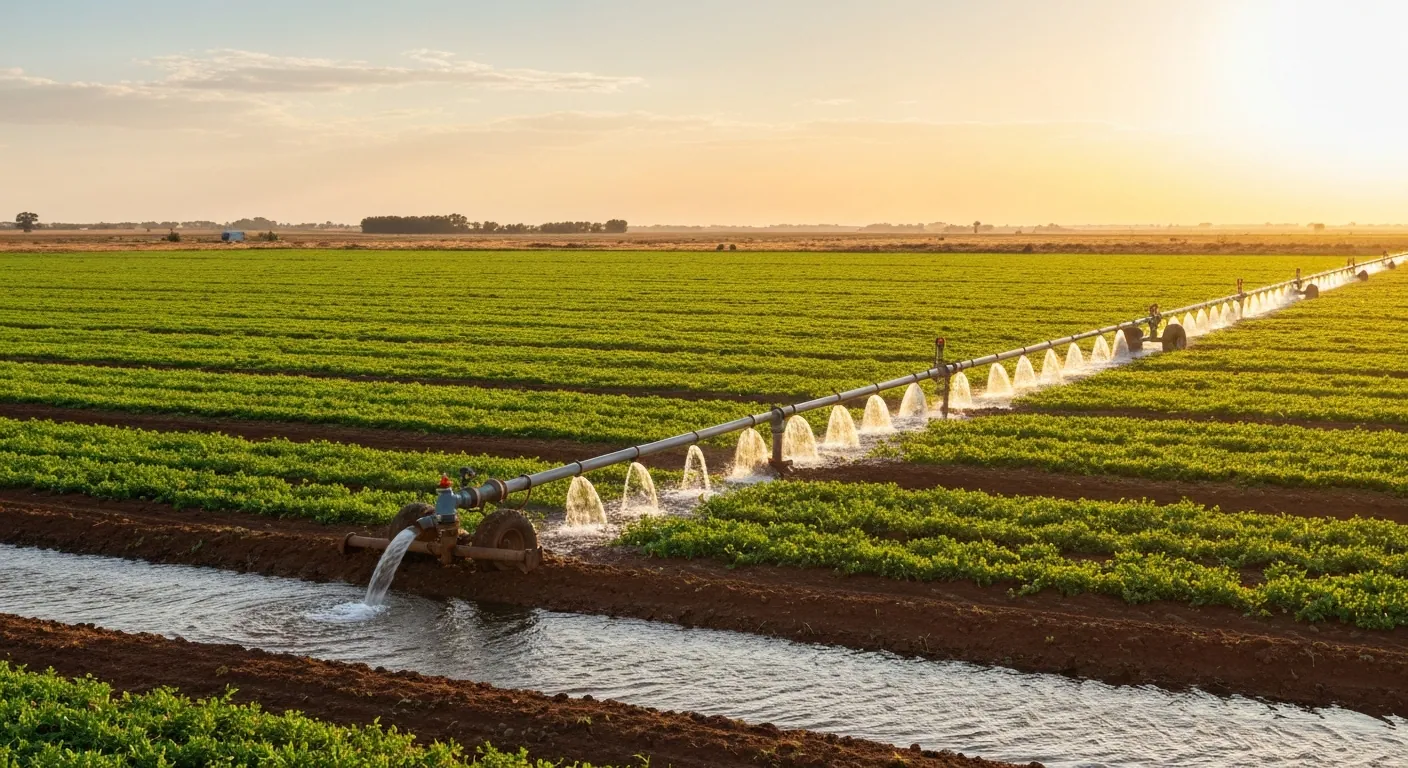
In the first six months of the 2026 CASP funding cycle, 6,412 smallholder projects received approval and drew their first tranche of funding. It is a healthy number, roughly 4% up on the 2025 first-tranche book. By the end of June 2026, though, only 2,498 of those projects had drawn the second tranche. That is 39%.
The gap is not fraud. It is not corruption. It is a mid-year compliance report that most first-time CASP beneficiaries do not know is due, do not know how to compile, and cannot get past the provincial verification queue in time. This piece is the mid-year picture, the five items on the report that matters, and what a farmer can do right now to keep the second tranche on track.
The Mid-Year Picture
CASP is a conditional grant. National Treasury allocates the money to national DALRRD, which allocates it to the nine provincial Departments of Agriculture. Each province runs its own approvals list, its own extension officer network, and its own compliance verification queue. The tranche structure is uniform across all provinces though: 60% on approval, 30% at mid-year on a satisfactory CPR, 10% on close-out at year-end.
The drawdown pattern below tells you where the friction is. Approvals happen quickly. First payments arrive within about 45 days. Mid-year drawdowns fall off a cliff.
| Province | Tranche 1 Paid | Tranche 2 Drawn (Jun 2026) | Drawdown Rate |
|---|---|---|---|
| Eastern Cape | 1,247 | 468 | 38% |
| KwaZulu-Natal | 1,102 | 551 | 50% |
| Limpopo | 958 | 335 | 35% |
| Mpumalanga | 612 | 238 | 39% |
| North West | 571 | 194 | 34% |
| Free State | 487 | 229 | 47% |
| Gauteng | 412 | 202 | 49% |
| Northern Cape | 531 | 132 | 25% |
| Western Cape | 492 | 149 | 30% |
| National total | 6,412 | 2,498 | 39% |
Northern Cape and Western Cape sit at the bottom. Both are provinces with wide geographic spread and a low extension officer to beneficiary ratio. In practical terms that means the extension officer visit that unlocks the CPR sign-off has not happened, and the farmer cannot self-certify past that step.
Tranche 2 Is Not Automatic
The first tranche is disbursed on approval, so beneficiaries reasonably assume the rest will follow the same way. It does not. The second tranche is released only after the province verifies that tranche 1 was used and that the project is on track. That verification is the CPR, and it is your responsibility to trigger it.
The Five Items on the Mid-Year CPR
The Compliance and Progress Report is a short document. It is not intended to be a business plan and it is not a re-application. It exists so the province can be confident that the tranche 1 money did what the funding letter said it would. The five items:
- Proof of use of tranche 1. Not receipts alone. The province wants a short reconciliation: what tranche 1 amount was received, what it was spent on, and a short comment on any deviation from the approved item list. If tranche 1 was R120,000 for two water tanks and a fencing package, and the farmer bought one tank plus additional seed, the deviation itself is not fatal. The absence of any explanation for the deviation is.
- GPS-verified site photos. Photos taken on a smartphone with location services on. Most provinces now accept the photos sent via WhatsApp to the extension officer, but only if the metadata is intact. A screenshot loses the GPS data. A photo forwarded through several hands loses it too.
- Extension officer sign-off. A visit and a stamped or e-signed form. This is the item that most often fails to arrive on time. It is not a form the farmer can complete alone.
- Updated business plan milestones. One page. State the milestones from the approved business plan, mark each as on track, delayed, or complete, and give a short reason for any delay.
- Signed beneficiary declaration. A one-page statement confirming that the farmer is the same person on the approved application, that the project site is unchanged, that no other public funding is duplicating the CASP items, and that the farmer accepts the terms of the second tranche.
The Extension Officer Visit Is the Bottleneck
In every province except Gauteng, the median wait between requesting an extension officer visit and receiving it is five to eight weeks. If tranche 1 arrived in February and the mid-year CPR is due at the end of June, the visit needs to be requested by mid-April at the latest. Farmers who request in May are almost never verified in time.
What to Do If You Have Not Started the CPR
If tranche 1 has been paid and the mid-year window has already closed for your province, the tranche 2 is not lost. It is suspended. The province will re-open a rolling verification window between 1 August and 31 October 2026 for beneficiaries who did not complete the mid-year CPR on time.
The steps to unfreeze:
- Contact your extension officer directly, by phone or WhatsApp. Do not go through the district office - that adds weeks. Ask specifically for a "CPR site visit" and give a preferred date range within the next four weeks.
- Get the five items ready before the visit. Extension officers who arrive on site and find a farmer who has done no preparation often mark the visit as inconclusive, which means a second visit is required.
- Attach a short one-page cover memo explaining why the mid-year CPR was late. A single paragraph is enough. The province needs a written reason to close the compliance flag, and no reason is worse than a plain reason.
- Submit the CPR through the same district office channel that processed the original application. Do not send it to national DALRRD - that will not speed anything up.
Documents to Have Ready Before the Visit
- Bank statement showing tranche 1 deposit and outflows
- Invoices or till slips for tranche 1 spending
- Recent GPS-tagged photos of the project site
- Original approved business plan (a printed copy)
- ID and any partnership or cooperative documents
- A short written explanation of any deviation from the approved plan
The 31 October Cliff
The 31 October 2026 date is not a soft target. Any CASP tranche 2 not drawn by that date returns to national fiscus at year-end and cannot be re-issued to the same beneficiary in the next financial year. The project stays on the CASP register, but the second tranche is written off. If the third tranche was linked to the second, it is also lost.
Provinces begin sending SMS reminders in September. If a beneficiary receives one and does not act, the third and final reminder in mid-October is treated as the last notice. There is no informal extension after 31 October.
What "Written Off" Actually Means
Written off does not mean the farmer must repay tranche 1. Tranche 1 was paid on approval and does not become repayable if tranche 2 is missed. What is lost is the balance of the grant. In practice that means most of the equipment, infrastructure, or working capital the farmer planned to buy in the second half of the year will not be funded. Many small farms have collapsed at this point in the cycle, and it is entirely preventable.
CASP vs Blended Finance for the Same Farm
Farmers on the CASP register are also eligible to apply for Blended Finance for a larger, second stage of the same project. The two are complementary. CASP typically funds up to R500,000 in infrastructure and inputs; Blended Finance sits above that and funds R500,000 to R5 million with a mix of grant and low-interest loan. The link between them is documented CASP performance.
What a Blended Finance credit committee looks at first is the CASP compliance history. A farmer with clean CPRs and drawn tranches has a materially better chance of being funded for the next stage than one with unresolved compliance flags. Getting the mid-year CPR right is not only about the current tranche, it is about the next round of funding for the same operation.
Full CASP Programme Page
The CASP eligibility rules, the funding item list, the tranche structure, and the application checklist are on the grantZA CASP page.